1. Primitive Media

Written media is defined as any words, events, message or thoughts written or recorded on a surface. Writing needs to be more explicit, since obscurities and misunderstandings cannot be removed immediately. People feel more committed to what they write because of the potential permanence of the written communication. Self-correction is eliminated through editing in writing.
2. Film Media

'Film' encompasses motion pictures as individual projects, as well as the field in general. The name comes from the photographic film also called filmstock, historically the primary medium for recording and displaying motion pictures. Many other terms exist—motion pictures or just pictures, the silver screen, photo-plays the cinema, picture shows, flicks—and commonly movies.
3. Digital Media

Digitized content in the form of text, graphics, audio, and video. It has to be able to transmitted over internet or computer network.
4. Printed Media

Print media is one of the oldest and basic forms of mass communication. It includes newspapers, weeklies, magazines, monthlies and other forms of printed journals.The contribution of print media in providing information and transfer of knowledge is remarkable. Even after the advent of electronic media, the print media has not lost its charm or relevance. Print media has the advantage of making a longer impact on the minds of the reader, with more in-depth reporting and analysis.
5. Art as Media
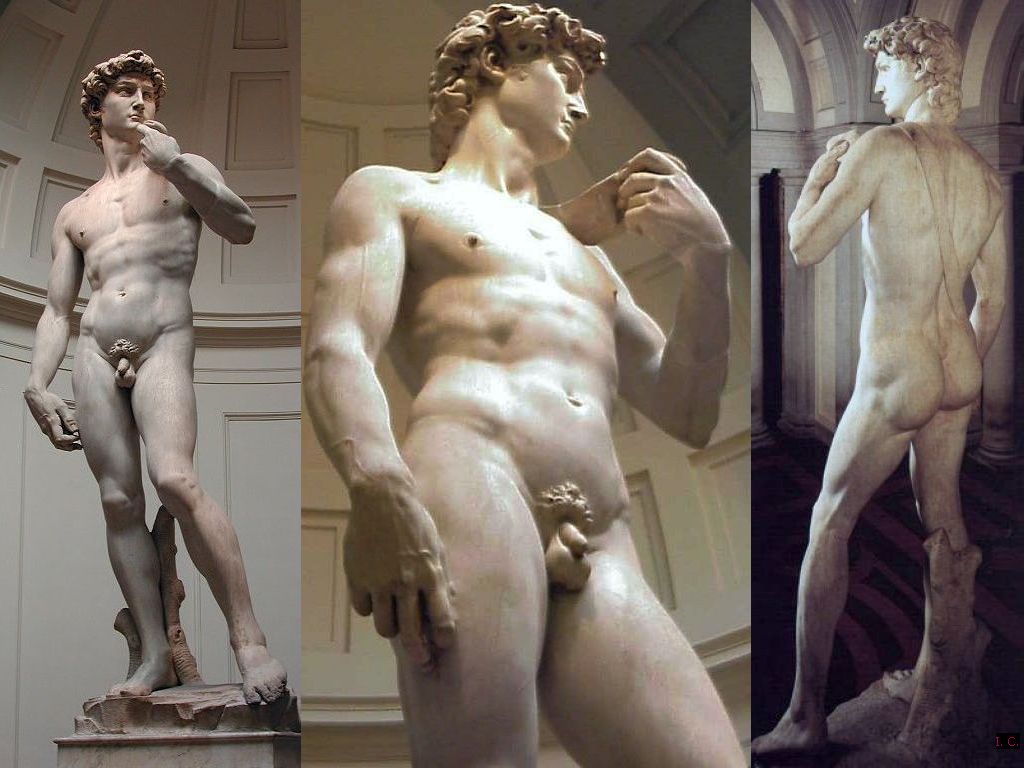
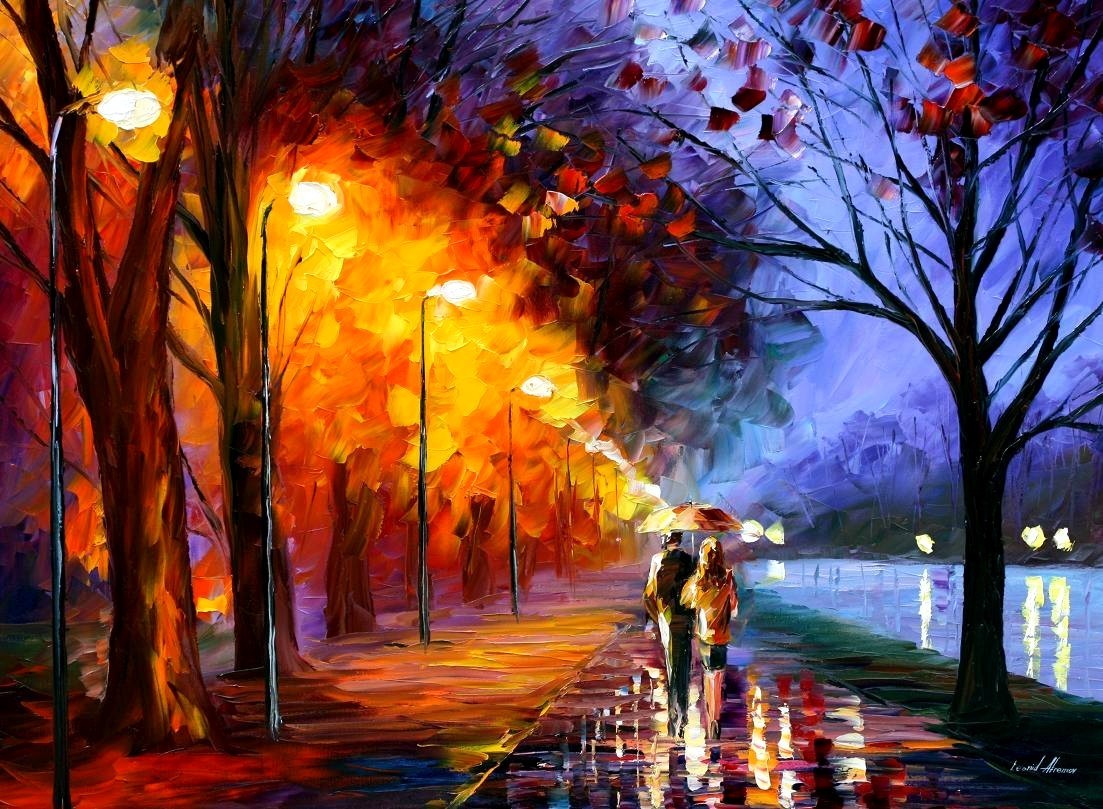
Art as media form is a traditional categories of art. It can be presented as a sculpture, painting, drawing, or any art form in the sense of abstract, historical or informative purposes. Usually art as media in the previous time has historical value in the masterpiece.
6. Broadcast Media

7. Electronic Media

Broadcast or storage media that take advantage of electronic technology. They may include television, radio, Internet, fax, CD-ROMs, DVD, and any other medium that requires electricity or digital encoding of information. The term 'electronic media' is often used in contrast with print media.
8. Spoken Media

Spoken Media specializes in publicity, marketing and distribution strategy for documentary films. We can navigate you and your film from rough cut to distribution and beyond. We are marketing strategists. And storytellers. Communicators. Connectors. Listeners. Linkers.
9. Written Media

Written media is defined as any words, events, message or thoughts written or recorded on a surface. Writing needs to be more explicit, since obscurities and misunderstandings cannot be removed immediately. People feel more committed to what they write because of the potential permanence of the written communication. Self-correction is eliminated through editing in writing.
10.
References:
http://ezinearticles.com/?What-is-Digital-Media&id=2864414
http://www.businessdictionary.com/definition/electronic-media.html

No comments:
Post a Comment